September 10, 2026
Excavation can be an important part of many residential improvement projects, including drainage work, foundation preparation, utility installation, grading, landscaping, and other changes that require soil to be removed or reshaped. Because excavation affects the ground surrounding a home, careful preparation is essential. Homeowners should understand what the project involves, which areas of the property may be affected, and what conditions could influence the work before equipment arrives.
A clear scope also helps an excavation contractor evaluate the site and determine what resources may be necessary. Soil conditions, slopes, existing structures, landscaping, drainage patterns, and access limitations can all affect how excavation is approached. Discussing these factors early gives the contractor a more complete picture of the property and reduces the likelihood of unexpected complications once work begins.
Defining the Work Area
Understanding exactly where excavation will occur is another important part of preparation. Property features such as fences, patios, retaining walls, trees, gardens, driveways, sheds, and neighboring structures may influence where machinery can operate. Identifying these features early allows the excavation contractor to consider potential obstacles and determine how the work area can be managed safely and efficiently.
The boundaries of the project should be clearly understood before excavation begins. Homeowners may have a general idea of where they want work completed, but construction plans, property boundaries, drainage requirements, and other considerations can affect the final location. Confirming the intended work area with the appropriate professionals helps prevent misunderstandings about where soil should be disturbed.
Confirming the Underground Conditions
One of the most important considerations before excavation is determining what lies beneath the surface. Residential properties can contain electrical lines, gas lines, water pipes, communication cables, sewer connections, irrigation components, and other buried infrastructure. Their locations may not be obvious from looking at the property, making underground utility identification a critical part of planning.
According to HomeGuide, homeowners should call 811 before excavation so an on-site visit can be arranged to identify and mark underground utility lines and pipes before digging occurs. These markings provide important information that professionals can use when evaluating the excavation area and planning work around existing utilities.
Coordinating the Required Approvals
Residential excavation may be connected to permits, inspections, building requirements, or other local regulations depending on the nature of the project. Requirements can vary based on the location, type of improvement, depth or purpose of the excavation, and surrounding property conditions. Determining which requirements apply before work begins can help prevent unnecessary interruptions later.
When excavation supports a larger construction project, approvals may also depend on plans prepared by other professionals. Foundation work, drainage improvements, utility changes, retaining structures, and similar projects may involve specifications that influence excavation. Those details should be available to the excavation contractor before work starts so the excavation can correspond with approved project plans.
Protecting the Surrounding Property
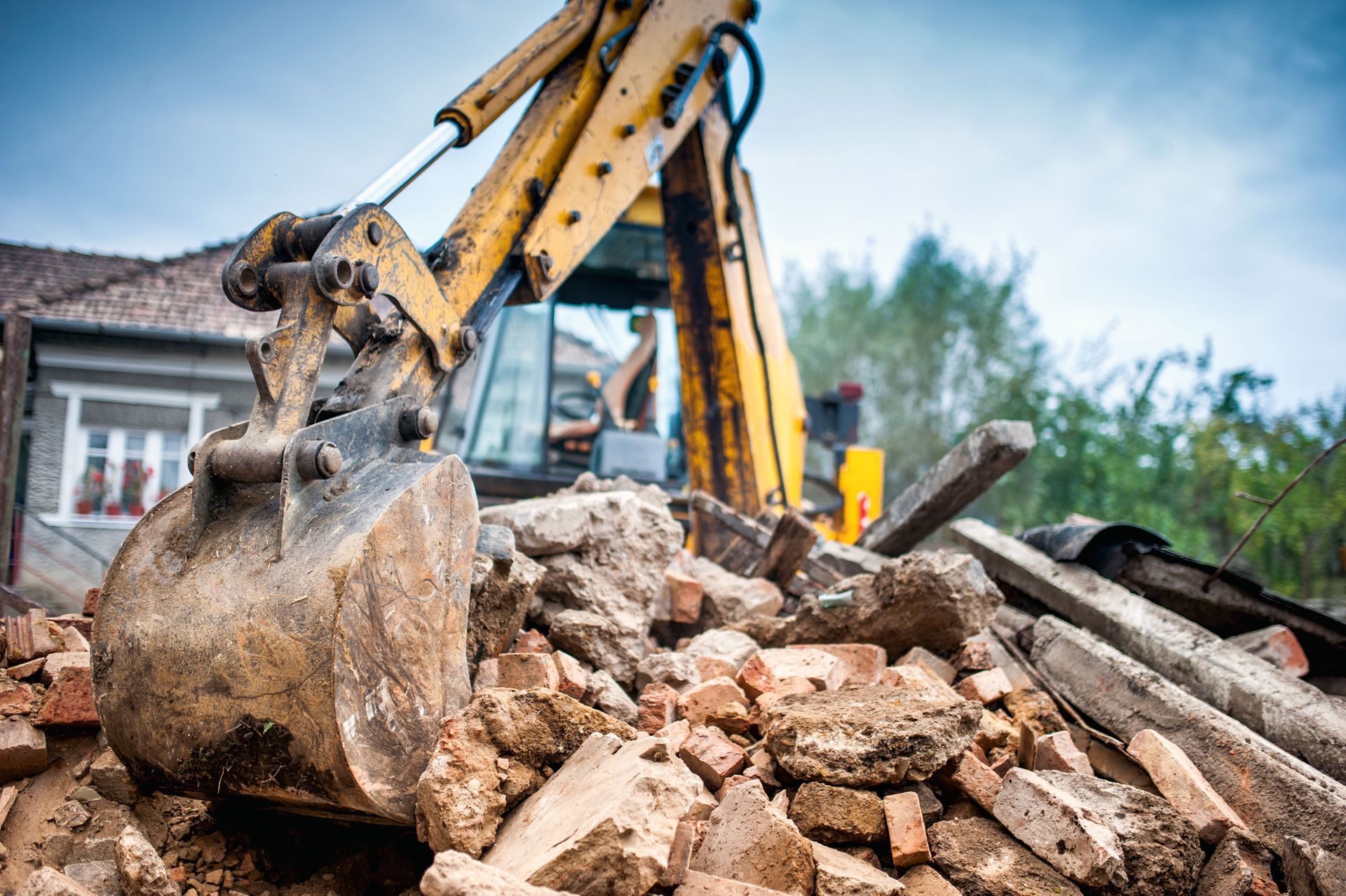
Excavation can temporarily change how a yard or construction area functions. Heavy equipment, displaced soil, material deliveries, and increased activity may affect areas beyond the immediate digging location. Preparing for these impacts helps homeowners protect property features that are intended to remain in place.
Landscaping deserves particular attention. Trees, shrubs, planting beds, lawn areas, decorative features, and irrigation components may be close to equipment routes or excavation boundaries. Homeowners should discuss features they want preserved with the excavation contractor before machinery enters the property. This conversation can help identify sensitive areas and establish realistic expectations about which portions of the landscape may experience temporary disturbance.
Nearby structures should also be considered. Fences, walkways, exterior mechanical equipment, decks, and other improvements can influence equipment movement and site access. Making these conditions known in advance allows the project team to evaluate the available working space rather than discovering significant restrictions after excavation activities are scheduled.
Planning the Equipment Access
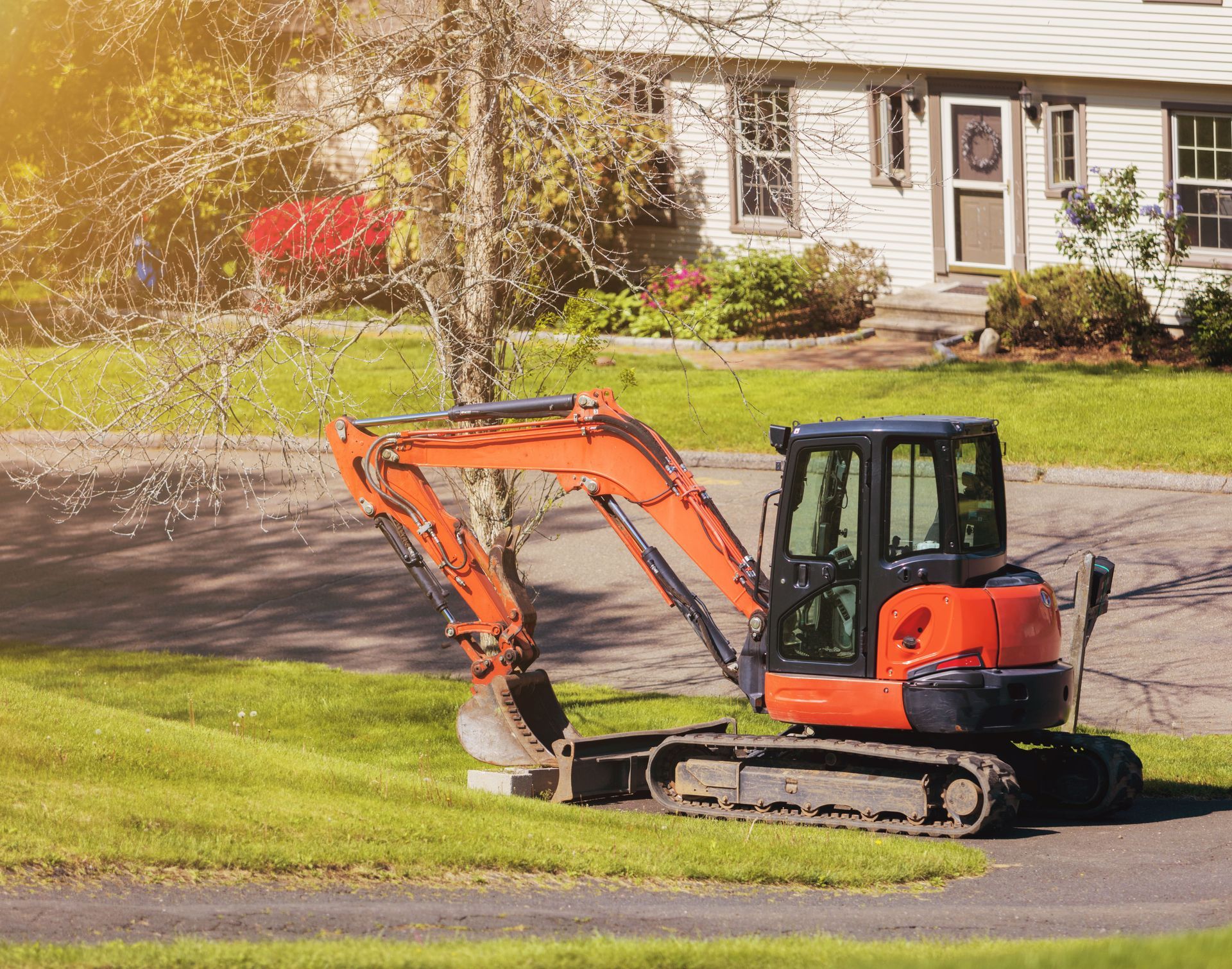
Access is a practical consideration that can significantly influence residential excavation. Excavating machinery must be able to reach the work area, and the path to that location may be narrower or more complicated than homeowners initially expect. Gates, fences, trees, overhead branches, utility equipment, parked vehicles, and neighboring property can all affect how machinery reaches the site.
An excavation contractor can assess whether the available access is appropriate for the equipment expected to perform the work. Homeowners should avoid assuming that a typical driveway or side yard automatically provides sufficient clearance. Equipment dimensions, ground stability, turning space, overhead obstructions, and the location of the excavation itself can influence access decisions.
Preparing the Property Environment
A residential excavation project can affect normal routines around the home. Portions of the yard, driveway, or other outdoor areas may become temporarily inaccessible. Noise, machinery movement, deliveries, and construction activity can also change how household members use the property during the project.
Before work begins, homeowners should discuss anticipated site conditions and restrictions with the excavation contractor. Understanding which areas should remain clear can help household members avoid interfering with active work zones. Pets, outdoor furniture, recreational equipment, vehicles, and movable landscape items may also need to be kept away from areas affected by construction activities.
Weather and ground conditions can influence scheduling as well. Significant rainfall or saturated soil may affect equipment movement, soil stability, and other aspects of excavation. While homeowners cannot control these conditions, understanding that excavation schedules may depend partly on the condition of the site can make it easier to plan around potential adjustments.
Reviewing the Project Expectations
Communication before excavation begins can help establish realistic expectations about what the property may look like during and immediately after the work. Excavation naturally disturbs soil, and some surrounding areas may also experience effects from equipment traffic or material handling. Homeowners should understand what restoration is included within the project and what work may be handled separately afterward.
It is also useful to discuss how excavated material will be managed. Depending on the project, soil may be reused, redistributed, temporarily stored, or hauled away. The appropriate approach depends on the needs of the construction work and the characteristics of the material. An excavation contractor can explain how soil management fits into the planned scope.
Homeowners should review the agreed scope, access arrangements, site considerations, and expected coordination with other trades before work begins. Taking time to address unanswered questions at this stage can help prevent confusion once machinery is operating and the property has become an active construction area.
Completing the Project Preparation
Successful excavation preparation involves more than simply identifying where digging should occur. Underground utilities, access conditions, property features, construction plans, approvals, soil management, and coordination with other professionals can all influence the work. Addressing these considerations beforehand creates a clearer foundation for the excavation phase and the improvements that follow.
Working with an experienced excavation contractor also allows homeowners to discuss site-specific concerns before the property is disturbed. Every residential site presents different conditions, so early communication and professional evaluation are valuable for understanding how the project can proceed while accounting for existing structures, utilities, landscaping, and access limitations.
Choosing the Right Professional
Professional excavation requires appropriate equipment, site awareness, careful coordination, and an understanding of how ground conditions interact with the surrounding property. Preparing thoroughly before work begins helps homeowners understand the project while allowing professionals to evaluate conditions that could affect excavation.
At S. Whit Constructors, we work with homeowners to understand the needs of their excavation projects and the conditions surrounding each site. Contact us to discuss your project, ask questions about our services, and learn how we can help prepare your property for the work ahead.
Our team can review the planned work and help identify important considerations before excavation begins. By communicating early and establishing clear expectations, we can help homeowners move toward the next phase of their property improvement with a well-defined excavation plan.